Cricket, with its rich history and passionate followers, has been striving for inclusion in the world’s most prestigious sporting event for decades. While the sport has been a staple of the Commonwealth Games since 1998, its presence on the global Olympic stage has been notably limited. Recently, however, there has been a significant push to integrate cricket into the upcoming schedule, which could open new opportunities and challenges for the sport. The potential return of Cricket at the Olympic Games would mark a transformative moment, bringing the bat and ball to a wider audience than ever before.
The inclusion of this sport in the Olympics would have a profound global impact. It would not only allow more nations to participate in high-level competition but also increase visibility and popularity across continents. Furthermore, it presents a unique opportunity to promote diversity within the cricketing world, as mixed and women’s teams could compete on the Olympic stage. This expansion aligns with the modern movement towards equality in sports, ensuring that female players receive the same platform as their male counterparts.
However, significant challenges must be overcome to make this a reality. One of the primary obstacles is the duration of cricket matches, which can extend over several days in traditional formats. This raises the question of how to adapt the game’s format to be compatible with the Olympic schedule, which operates within a limited timeframe. Despite these hurdles, the inclusion would be a historical milestone, allowing the best players to compete on the Olympic stage and fostering development in countries where the sport is not yet popular.
Tabla de Contenidos
- Historical Context and Past Presence
- Benefits of Inclusion for Global Cricket
- Challenges and Future Outlook
- Frequently Asked Questions
- Early Appearances in History
- The Commonwealth Games Precedent
- The Modern Absence
- Global Visibility and Reach
- Promoting Diversity in Teams
- Enriching the Olympic Program
- Match Duration Constraints
- Logistical and Format Adaptation
- The Path Forward
Historical Context and Past Presence
Understanding the journey of cricket requires looking back at its previous interactions with multi-sport tournaments. The sport has been part of the Olympic Games in the past, though those instances are now distant memories in the annals of sports history. In this section, we explore the history of inclusion and the highlighted events that have taken place, setting the stage for potential future participation.
Early Appearances in History
Cricket has been part of the Olympic Games in the past, establishing a precedent for its potential return. While details of those early tournaments are often sparse compared to modern records, they demonstrate that the sport once held a place among the elite Olympic disciplines. Exploring this history helps us understand the legacy that current players would be stepping into. It is not merely about adding a new event but reviving a tradition that connects the modern game with its historical roots.
The historical presence indicates that the infrastructure for such a competition existed previously, even if it was on a smaller scale. Revisiting these past events provides valuable insights into how the game was structured during those times. It also highlights the evolution of the sport, from longer formats to the faster-paced versions seen today. This evolution is crucial when considering how the game fits into the modern Olympic framework.
The Commonwealth Games Precedent
Although its presence in the main Olympic event has been limited, cricket has been part of the Commonwealth Games since 1998. This participation serves as a critical proof of concept for integrating cricket into large-scale multi-sport environments. The success of these tournaments demonstrates that logistics can be managed effectively when the right format is chosen. It also shows that there is an appetite among athletes and fans for cricket within a broader sporting context.
The Commonwealth Games experience provides a blueprint for how teams can be organized and how schedules can be maintained without disrupting domestic leagues too severely. Learning from these events allows organizers to anticipate potential issues before they arise. It also gives players a taste of representing their nation in a multi-sport setting, which differs significantly from bilateral series or franchise leagues. This experience is invaluable for preparing for the unique pressure of the Olympics.
The Modern Absence
Despite its history in the Games, cricket has been absent from the modern Olympic cycle for a long period. This absence has limited the sport’s growth in non-traditional regions where the Olympics serve as a primary introduction to new sports. Analyzing the reasons behind this absence helps stakeholders understand what needs to change for a successful reintroduction. It is not just about popularity but about fitting the structural requirements of the International Olympic Committee.
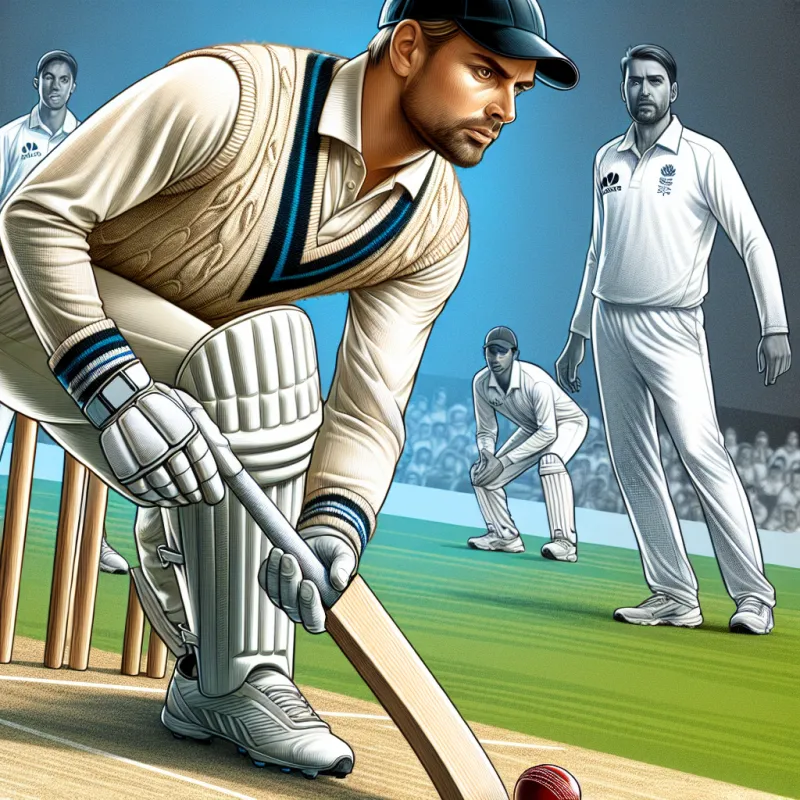
Efforts to reintroduce the sport are ongoing, driven by governing bodies that recognize the value of Olympic exposure. The absence has created a gap that newer sports have filled, making the competition for slots even fiercer. Understanding this dynamic is essential for crafting a proposal that meets all necessary criteria. The goal is to ensure that when the sport returns, it stays for the long term.
Benefits of Inclusion for Global Cricket
If cricket were included again in the Olympic Games, there would be several benefits for both the sport and the event itself. In this section, we explore these benefits and how inclusion could enrich the Olympic program. The synergy between the two entities could lead to unprecedented growth and engagement levels worldwide.
Global Visibility and Reach
The inclusion would have a global impact, allowing more countries to participate in the sport at the highest level. The Olympics reach audiences that traditional cricket tournaments often miss, particularly in regions where the sport is nascent. This visibility can inspire a new generation of players who might not have considered cricket otherwise. It transforms the sport from a regional passion into a truly global phenomenon.
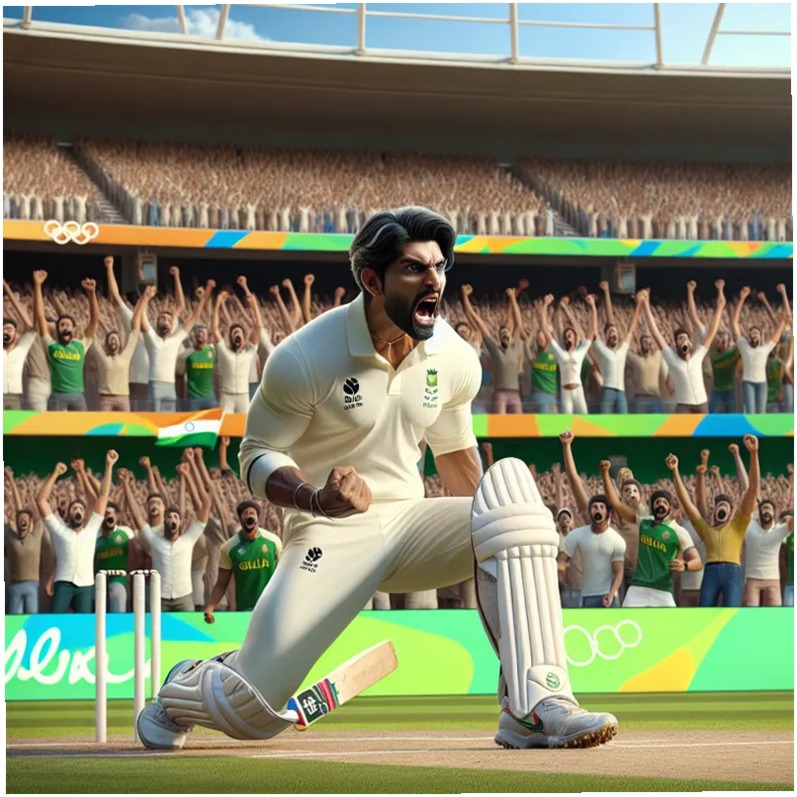
Increased visibility also attracts sponsors and investors who are looking for opportunities associated with the Olympic brand. This financial injection can improve infrastructure in developing cricketing nations. It creates a ripple effect that benefits grassroots programs and local clubs. The exposure is not just about the matches but about the culture and community surrounding the game.
Promoting Diversity in Teams
It would be an opportunity to promote diversity in cricket, as mixed and women’s teams could also compete in the Games. This aligns with the Olympic values of equality and inclusion, showcasing the best talent regardless of gender. Women’s cricket has been growing rapidly, and an Olympic platform would accelerate this progress significantly. It ensures that female athletes receive recognition commensurate with their skill and dedication.
Mixed teams could also introduce a dynamic format that appeals to a broader demographic. This innovation could refresh the viewer experience and bring new energy to the tournament. Diversity in participation reflects the diverse nature of the global audience watching at home. It sends a powerful message about unity through sport.
Enriching the Olympic Program
The inclusion could enrich the Olympic program by adding a sport with such a passionate fan base. Cricket brings a unique atmosphere that complements the existing lineup of events. The engagement from cricket-loving nations would boost viewership numbers significantly. It adds cultural depth to the Games, representing a significant portion of the world’s population.
Having Cricket at the Olympic Games would diversify the types of athletic skills on display. The combination of strategy, endurance, and skill involved in cricket offers a different spectacle compared to track or field events. This variety keeps the Olympic experience fresh and exciting for returning viewers. It ensures that the Games remain relevant to changing global sports interests.
Challenges and Future Outlook
Although there are many potential benefits, there are also challenges and obstacles that must be overcome for cricket to return to the Olympics. In this section, we discuss these challenges and how they could be addressed. Solving these issues is key to ensuring a sustainable presence in future editions.
Match Duration Constraints
One of the main obstacles is the duration of cricket matches, which can extend over several days. This poses the question of how to adapt the game format to be compatible with the Olympic schedule, which takes place over a limited period. Traditional Test cricket is too long, so shorter formats like T20 are likely necessary. This adaptation ensures that matches can be completed within a single day or session.
Scheduling multiple matches within a short window requires careful planning to avoid player fatigue. The physical demand of bowling and batting in high-stakes games is intense. Organizers must balance the number of overs with the recovery time needed for athletes. This logistical puzzle is central to the feasibility of the entire project.
Logistical and Format Adaptation
Adapting the format involves more than just reducing overs; it requires rethinking pitch preparation and field dimensions. The conditions must be standardized to ensure fairness across different teams. This standardization is crucial for maintaining the integrity of the competition. It also helps in broadcasting the event consistently across different time zones.
Logistics also include accommodating the large squads that cricket teams typically carry. Unlike some sports with small teams, cricket requires bowlers, batsmen, and all-rounders to cover various roles. Managing these numbers within the Olympic village adds another layer of complexity. Efficient planning is required to house and feed these delegations properly.
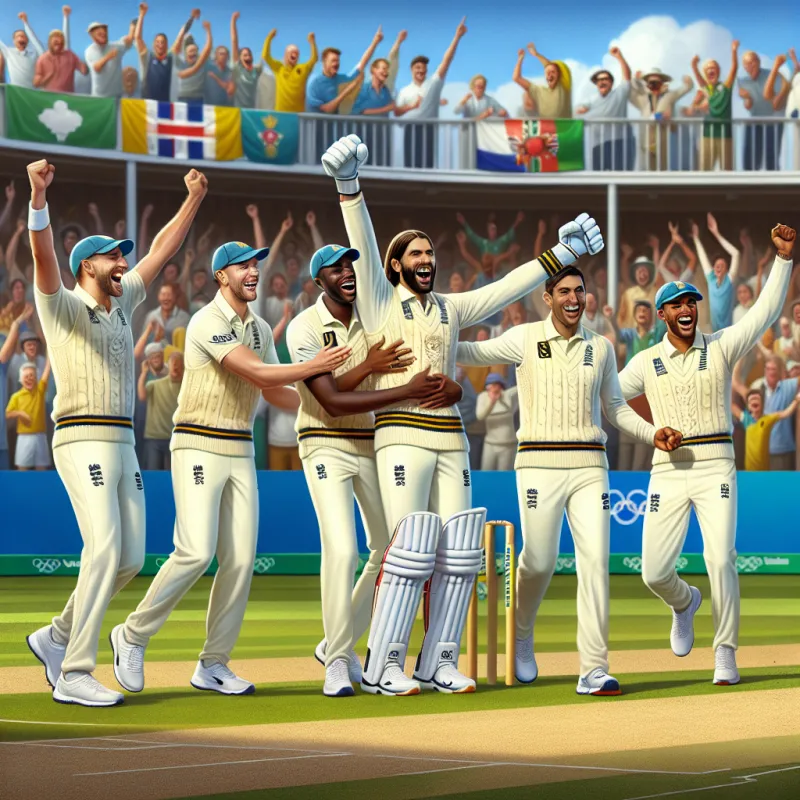
The Path Forward
Despite these challenges, inclusion would be a historical milestone for the sport. It would allow the best players in the world to compete on the Olympic stage. This opportunity opens new avenues for development in countries where it is not yet popular. The long-term growth potential outweighs the短期 logistical hurdles.
The possibility of inclusion has sparked great interest in the sports community. This inclusion would not only impact cricket itself but also change the dynamics of the Olympics by adding a sport with such a passionate fan base. Keeping an eye on developments is essential, as it could mark a before and after in the history of both cricket and the Games. The future looks promising for those who wish to see Cricket at the Olympic Games become a permanent fixture.
Strategic planning now will determine the success of the venture later. Collaboration between cricket boards and Olympic committees is vital. Together, they can create a framework that honors the tradition of the sport while embracing the modern Olympic spirit. The journey is complex, but the destination offers a legacy that will endure for generations.
Frequently Asked Questions
When was cricket last played in the Olympics before 2028? Cricket was previously featured in the 1900 Paris Games, where only two teams competed. According to official records, Great Britain won the gold medal against France in that sole historical appearance.
What format of cricket will be played at the 2028 Los Angeles Olympics? The International Cricket Council has confirmed that the Twenty20 (T20) format will be used for the 2028 tournament. This shorter format ensures the event fits within the Olympic schedule while maintaining high intensity.
How does inclusion in the Olympics benefit global cricket development? Olympic participation provides associate nations with increased funding and visibility from their national Olympic committees. This exposure helps grow the sport in non-traditional regions by attracting new audiences and sponsors.
What are the main challenges regarding player availability for the Olympic tournament? Scheduling conflicts with major domestic leagues like the IPL often create difficulties for selecting top international stars. Boards must negotiate release periods to ensure strong representation without disrupting commercial contracts.
How many teams are expected to compete in the cricket event at Los Angeles 2028? Plans indicate that six teams will participate in both the men’s and women’s tournaments during the Games. This limited field allows for a compact schedule while including top-ranked nations.